
Regulatory Compliance Journal
From an extra pair of hands to the person that advises on strategical decisions and the future of your company, consulta...

- 6 min read
As funds flow into the hands of charities, an unsettling question arises: is your donation inadvertently fueling money l...

- 9 min read
Facebook made a splash in October 2021 when it rebranded itself to Meta and announced an investment of $10 billion to c...
- 11 min read
In February 2019, another criminal group was arrested in Europe for laundering money through hawala transactions. Based ...
- 7 min read
Cutting ties to minimize risk might sound smart, but what happens when de-risking goes too far? In 2015, Dr. Iraj Hashi,...

- 8 min read
In May 2015, the biggest scandal in football history (known as “FIFA Gateâ€) led to seven FIFA executives bei...

- 10 min read
When Microsoft unveiled the HoloLens 2 in early 2019, it was pitched as a cutting-edge tool for consumers and businesses...
- 9 min read
While the world is on hold, financial crime has not taken a step back amidst the coronavirus emergency. Scammers, money...

- 13 min read
In the past decade, a series of leaks from insider sources have shed light on the complex systems of money laundering, t...
- 11 min read
Each year we are entitled to different lists about tax havens issued by governments or international organisations, but ...
- 9 min read
How to find the VAT number of a counterparty or customer ?How can you, as a company or obliged entity, search for the VA...
- 1 min read
Every year, the freedom of millions of innocent lives are stolen while an illicit river of money continues to flow, conc...

- 11 min read
In the world of finance, gatekeepers such as accountants, and lawyers are meant to safeguard against financial crime. Ye...
- 9 min read
🎬 Introduction to RegTech and Regulatory ComplianceThe worldwide economic repercussions of the 2008 financial cri...
- 7 min read
In the past few years, many scandals related to money laundering have been recorded. For instance, the Panama Papers hav...
- 6 min read
VAT Carousels - The look back in the transactions For several years there have been occasional stories of VAT carousels ...
- 4 min read
In the past decade, the video game industry has managed to dwarf the film, music, and television sectors. It’s ...
- 12 min read
In February of 2022, Transparency International revealed that Russians linked to the Kremlin or with corruption charges...
- 10 min read
On the 6th of August 2019, the National Bank of Belgium ("NBB") published a press release announcing that in 20...
- 4 min read
Lately the 5th Anti-Money Laundering EU Directive (AMLD5) retained a particular interest on innovative instruments of pa...
- 6 min read
20 articles matching know your customer tag




How to integrate AI into compliance without breaching GDPR & EU AI Act rules?
In an era where artificial intelligence (AI) is transforming how financial institutions manage risk, detect fraud, monitor compliance, and automate oversight, integrating AI into compliance programs offers significant potential. In practice, banks and insurers are already deploying AI in areas ...
-806688168.jpg)
- 9 min read
What should financial institutions prepare for under the European Payments Package: PSD3 & PSR?
The European Commission's European Payments Package, consisting of the third Payment Services Directive (PSD3) and the new Payment Services Regulation (PSR), represents the most significant overhaul of EU payments regulation since PSD2 in 2015. Together, the directive and the regulation aim ...
- 8 min read
How to build an effective anti-bribery & corruption program
Your financial institution doesn’t have to be Enron to face a corruption scandal, but a plan to embed integrity deep within your operations is essential. Corruption doesn’t start with bribes but with blind spots in your controls. How does one create an effective anti-bribery & cor...
- 8 min read
AML Package 2024–2026: What Financial Institutions Need to Know about AMLA, AMLR & TFR
The European Union has launched its most ambitious anti-money laundering (AML) reform to date. The “AML Package 2024–2026†introduces a new EU Anti-Money Laundering Authority (AMLA), a directly applicable Anti-Money Laundering Regulation (AMLR), and an updated Transfer of Fun...
- 9 min read
Why is cash prevalent in money laundering?
Despite the growing prevalence of digital payment systems and tighter financial regulations, cash remains an attractive tool for criminals. Its intractability, portability, and its difficulty to regulate offers a level of anonymity that digital transactions simply cannot match. While government...
- 12 min read
Looking for Regulatory Watch Newsletter?



More work

MiFID: Time for information transparency
Financial firms, MIFID, Financial firms, Investment Funds, UCITS, MiFID2, ESMA, PRIIPS, Transparency, Compliance,MiFID (Markets in Financial Instruments Directive) was put into force in November 2007 and was created with the objective of harmonising Europe's financial landscape. This Directive changed how the financial markets worked and especially how they ...
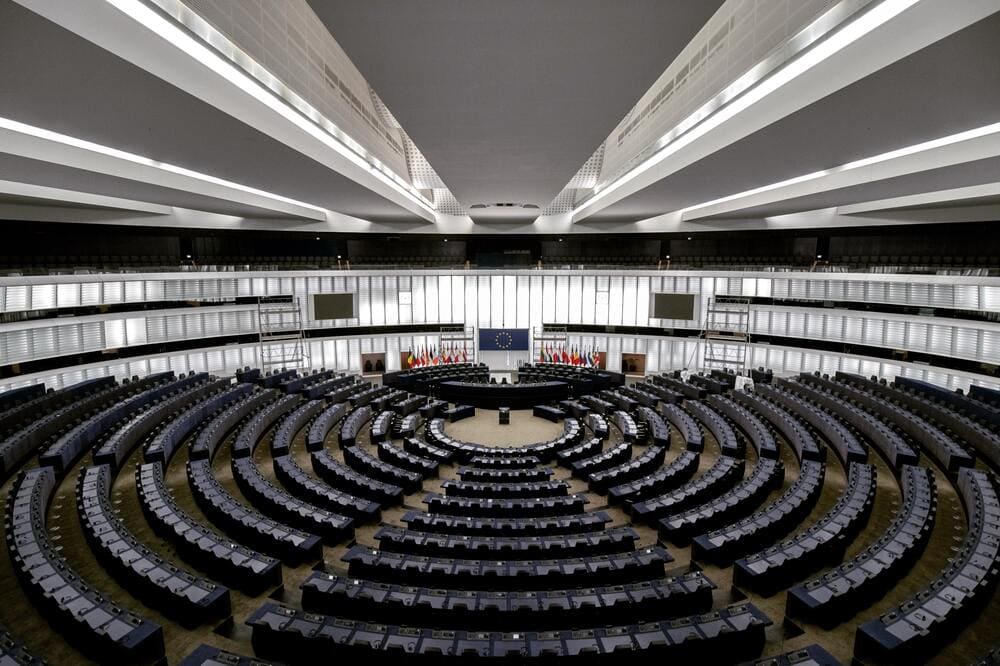

What are the EU's Anti-Money Laundering Directives?
5AMLD, 6AMLD, AML, Anti Money Laundering, Compliance, Compliance expert, Consultant, EU, Europe, European Commission, European Court of Justice, Financial Institutions, Money Laundering, Politically Exposed Persons,Since 1991, the European Union has regularly updated and released new anti-money laundering directives to adapt to and be able to fight new money laundering and terrorist financing techniques (e.g.: MiCA to regulate crypto-currencies). Today, moder...

GDPR Privacy Update: Fines, penalties and recent sanctions
GDPR, Data Security, Data breach, Financial Sanctions, Compliance, Financial firms, Privacy, Personal Data, European Commission, EU,It did not take long after the entry into force of GDPR on 25th May 2018 for many companies to revise their positions and business priorities following their initial scepticism towards the penalties that were to be imposed by the new regulation. The...