
Regulatory Compliance Journal
Facebook made a splash in October 2021 when it rebranded itself to Meta and announced an investment of $10 billion to c...

- 11 min read
Cutting ties to minimize risk might sound smart, but what happens when de-risking goes too far? In 2015, Dr. Iraj Hashi,...

- 8 min read
The digital era has given KYC analysts unprecedented access to a plethora of information on individuals and companies. N...
- 11 min read

Each year we are entitled to different lists about tax havens issued by governments or international organisations, but ...
- 9 min read
While the world is on hold, financial crime has not taken a step back amidst the coronavirus emergency. Scammers, money...

- 13 min read
In the past decade, a series of leaks from insider sources have shed light on the complex systems of money laundering, t...
- 11 min read
VAT Carousels - The look back in the transactions For several years there have been occasional stories of VAT carousels ...
- 4 min read
How to find the VAT number of a counterparty or customer ?How can you, as a company or obliged entity, search for the VA...
- 1 min read
Corporate entities, with their complex networks and multifaceted operations, can become havens for criminal activity. Il...
- 10 min read
On the 6th of August 2019, the National Bank of Belgium ("NBB") published a press release announcing that in 20...
- 4 min read
In an era where technology evolves at a rapid pace, criminals are quick to adapt, developing increasingly sophisticated ...
- 9 min read
The exponential growth of technology is leading to the disruption of numerous sectors including telecommunications, robo...
- 12 min read
The silent payments revolution is finally upon us. With the first compliance date of Regulation 2024/886 set for January...

- 6 min read
From an extra pair of hands to the person that advises on strategical decisions and the future of your company, consulta...
- 6 min read
In the past decade, the video game industry has managed to dwarf the film, music, and television sectors. It’s ...
- 12 min read
🎬 Introduction to RegTech and Regulatory ComplianceThe worldwide economic repercussions of the 2008 financial cri...
- 7 min read
When Microsoft unveiled the HoloLens 2 in early 2019, it was pitched as a cutting-edge tool for consumers and businesses...
- 9 min read
In the world of finance, gatekeepers such as accountants, and lawyers are meant to safeguard against financial crime. Ye...

- 9 min read
Despite the consistent efforts adopted by banks to fight money laundering and financial crime, fines for AML breaches ha...
- 10 min read
20 articles matching know your customer tag




How to integrate AI into compliance without breaching GDPR & EU AI Act rules?
In an era where artificial intelligence (AI) is transforming how financial institutions manage risk, detect fraud, monitor compliance, and automate oversight, integrating AI into compliance programs offers significant potential. In practice, banks and insurers are already deploying AI in areas ...
-806688168.jpg)
- 9 min read
What should financial institutions prepare for under the European Payments Package: PSD3 & PSR?
The European Commission's European Payments Package, consisting of the third Payment Services Directive (PSD3) and the new Payment Services Regulation (PSR), represents the most significant overhaul of EU payments regulation since PSD2 in 2015. Together, the directive and the regulation aim ...
- 8 min read
How to build an effective anti-bribery & corruption program
Your financial institution doesn’t have to be Enron to face a corruption scandal, but a plan to embed integrity deep within your operations is essential. Corruption doesn’t start with bribes but with blind spots in your controls. How does one create an effective anti-bribery & cor...
- 8 min read
AML Package 2024–2026: What Financial Institutions Need to Know about AMLA, AMLR & TFR
The European Union has launched its most ambitious anti-money laundering (AML) reform to date. The “AML Package 2024–2026†introduces a new EU Anti-Money Laundering Authority (AMLA), a directly applicable Anti-Money Laundering Regulation (AMLR), and an updated Transfer of Fun...
- 9 min read
Why is cash prevalent in money laundering?
Despite the growing prevalence of digital payment systems and tighter financial regulations, cash remains an attractive tool for criminals. Its intractability, portability, and its difficulty to regulate offers a level of anonymity that digital transactions simply cannot match. While government...
- 12 min read
Looking for Regulatory Watch Newsletter?


More work
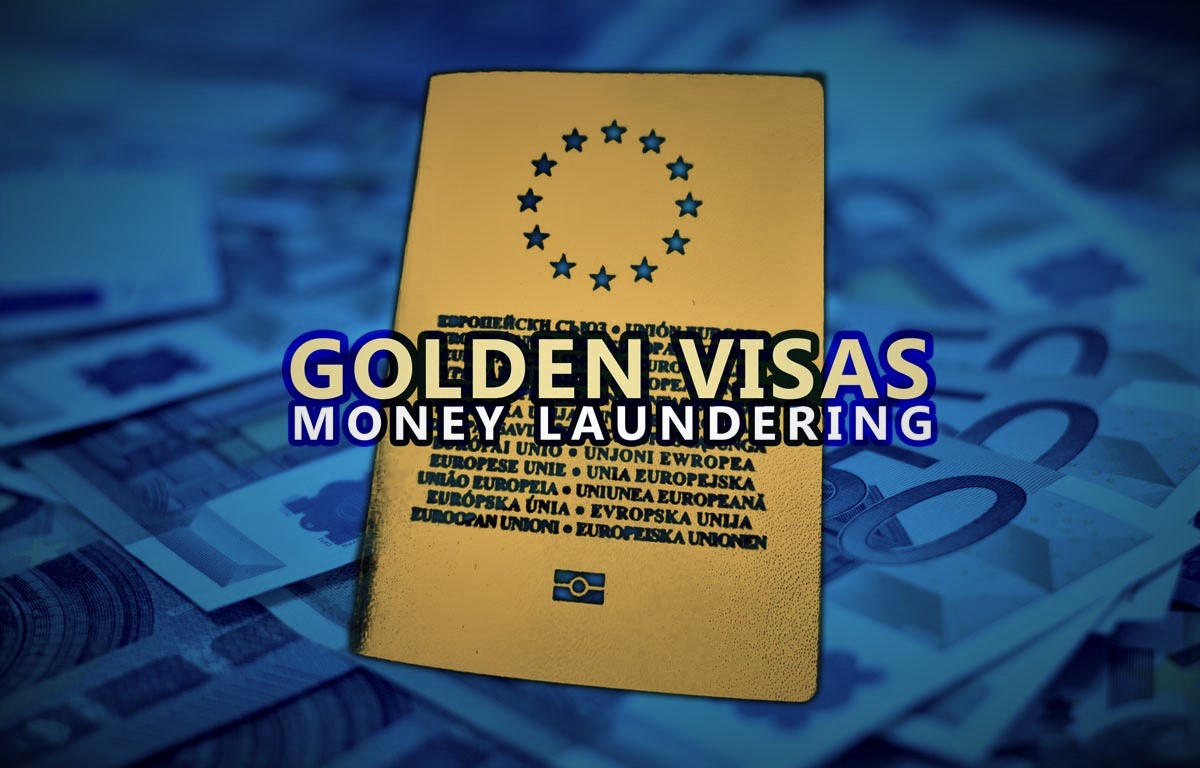
The hidden costs of golden visas
AML, KYC, Europe, Monitoring, Privacy, Reporting, Investment, 5AMLD, Russia, Transparency, Financial Sanctions, Due Diligence, Corruption, Financial Institutions,Over the past years, the golden visa has seen a surge in participation in its programmes. But along with its rising popularity, corruption and AML risks have also seeped into its core. Many argue that citizenship is a public good, not a commodity for...

How has Russia circumvented sanctions?
Corruption, Cryptocurrencies, Due Diligence, Europe, European Commission, Russia, Sanctions, Financial Sanctions,In the contemporary political and economic landscape, relations between Russia and the European Union (EU) are a theater where complex games of power, influence and rivalry are played out. At the heart of these interactions are sanctions, instruments...

How will the EU AI Act impact financial services?
Artificial Intelligence, Financial Institutions, RegTech, Risk Based Approach, Transparency, Compliance, EU, European Commission, FinTech,In 2017, the European Council emphasized the need to address artificial intelligence (AI) trends while maintaining high standards for data protection and ethics. By 2023, concerns about ChatGPT's misuse led to Italy's temporary ban. The Europea...